Best Seller

New Release!
Trending Now!
Most Popular
Back in Stock

Cart
Ten watches that survive a real day, sorted by the kind of man buying one. Specs checked against each maker's own page, not copied off a listing.

“Rugged” is the most abused word in this category. Half the watches wearing the label are plastic with a thick bezel printed on, and the other half cost more than a decent set of tools. What actually matters changes depending on who you are: a man on a roof needs different things than a man running a trail at 5am, and both need different things than a man who wants one watch for the site on Monday and dinner on Friday.
So this list is sorted by who you are, not by score. Ten watches, each with the job it is genuinely best at, plus the thing it is worst at. Every number here was read off the maker's own spec page, press release or a major review, and the ones we could not confirm were left out rather than guessed.
Two of the ten are ours. We have marked them clearly, and they are the only entries with a buy button, so you always know which is which.
Scroll sideways on a phone if you need to.
| Watch | Battery | Water | GPS | Phone | Price |
|---|---|---|---|---|---|
| AlphaGear Delta Series 2 | Up to 21 days | 3 ATM | Yes | Both | $149.95 |
| Garmin fenix 8 (47mm) | Up to 16 days | 10 ATM | Multi-band | Both | $1,000 |
| Garmin Instinct 3 Solar | 28 days, unlimited w/ sun | 10 ATM | Multi-band | Both | $350–400 |
| Amazfit T-Rex 3 | Up to 27 days | 10 ATM | Dual-band | Both | $280 |
| Apple Watch Ultra 4 | Up to 50 hours | 100 m | Dual-freq | iPhone | $799 |
| AlphaGear Commander | 6–8 days | 1 ATM + IP68 | No | Both | $129.95 |
| Samsung Galaxy Watch Ultra2 | Up to 60 hours | 10 ATM + IP69K | Dual-freq | Android | $699.99 |
| Garmin Enduro 3 | 36 days, 90 w/ sun | 10 ATM | Multi-band | Both | $680 |
| COROS VERTIX 2S | Around 40 days | 10 ATM | Dual-freq | Both | $699 |
| Suunto Vertical 2 | Up to 20 days | 100 m | Dual-band | Both | $599–699 |
Battery figures are each maker's own smartwatch-mode claim. Competitor prices checked 29 September 2026 and they move.
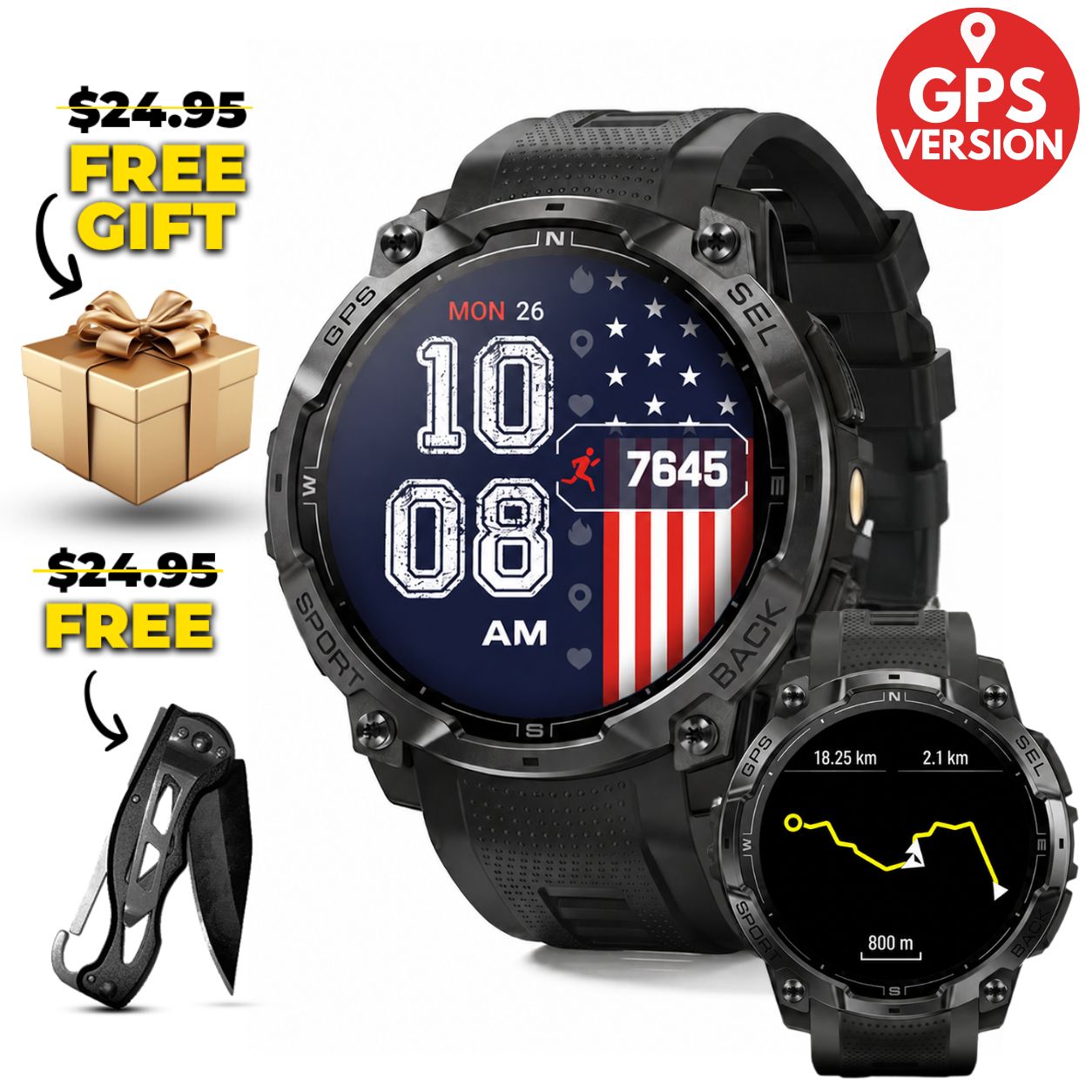
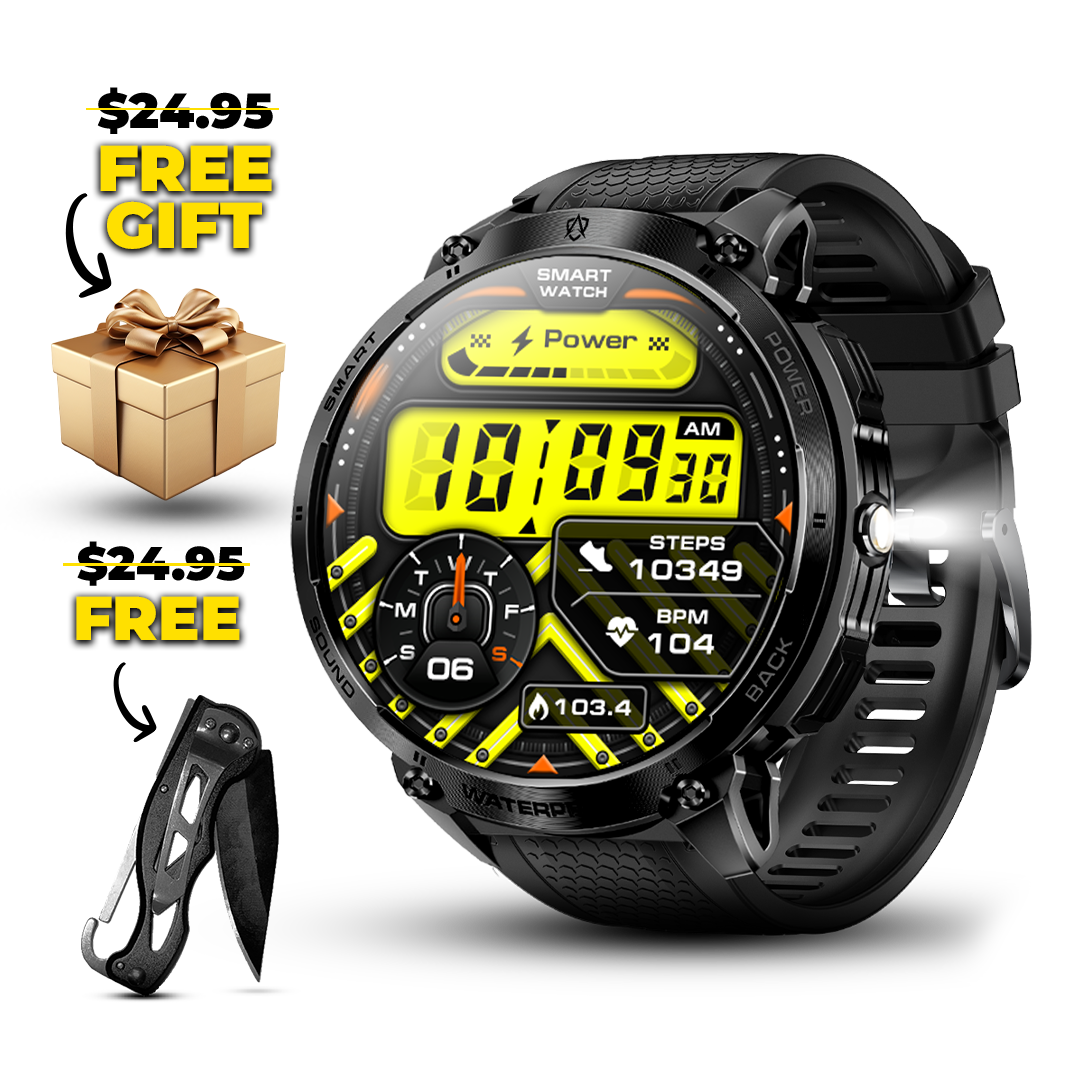
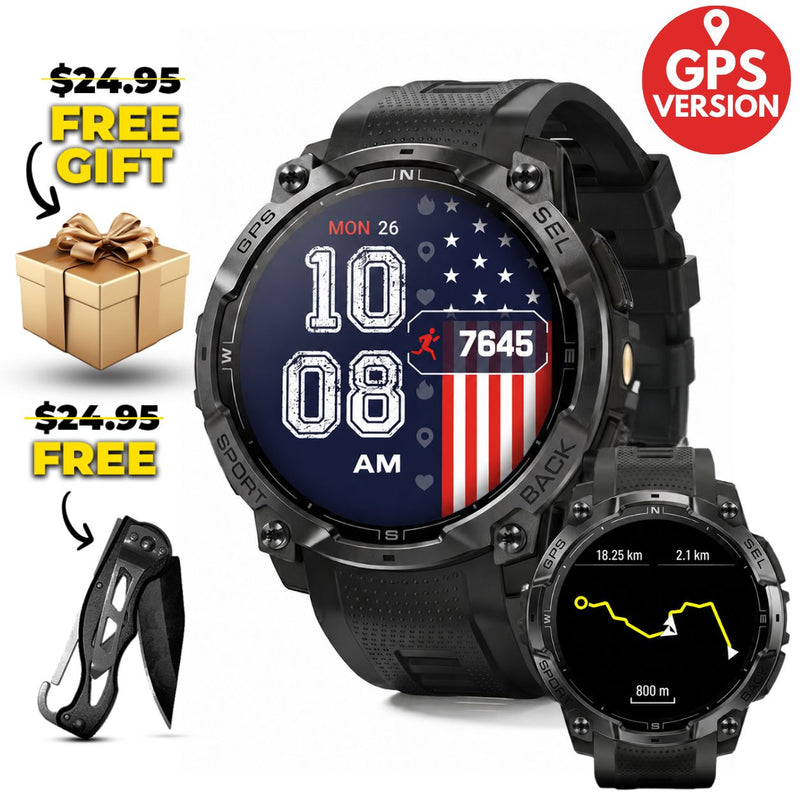
This is the one for men who are outside and dirty. The 530mAh cell runs up to 21 days of normal use, about 25 sitting on standby, so the charger genuinely becomes a once-a-month thing instead of a nightly ritual. It carries the three tools the rest of this list keeps separating out: multi-system GPS, a real compass and a built-in flashlight, all on the same wrist.
The GPS pulls from six systems at once, so it holds a fix where a single-system watch drifts. Wellness runs quietly in the background, showing heart rate, blood oxygen, sleep with stages and a score, stress, calories and steps, with no subscription behind any of it. And it takes calls over Bluetooth, so the phone can stay in the truck.
The fenix 8 is the watch every other outdoor watch gets measured against, and it earns it. Garmin rates it to 10 ATM and separately to 40 metres as a dive computer under EN 13319, it has full onboard mapping, and it added a speaker and microphone this generation. Garmin says it is tested to US military standards for thermal, shock and water resistance.
The catch is the sticker. At around a thousand dollars it costs more than most men spend on a watch in a decade, and a fenix 8 Pro now sits above it, so you are not even buying the top of the range.

Garmin claims something unusual here and it holds up: with three hours a day of strong sun, the Instinct 3 Solar runs unlimited in smartwatch mode. Not thirty days, not sixty. Unlimited. The 45mm does 28 days without any sun at all, the 50mm does 40. Garmin states it is built to MIL-STD 810 for thermal and shock resistance.
You pay for that in screen. It is a 176x176 monochrome transflective panel with no touchscreen and no offline maps, which is a different century from an AMOLED. For a man who wants to forget charging exists, that is a fair trade.

Twenty-seven days of battery behind a 1.5-inch 480x480 AMOLED, for under three hundred dollars, is the best raw value on this list. Amazfit certifies it to 10 ATM with freediving certification to 45 metres, and rates it from −22°F to 158°F, which covers any weather you are realistically working in.
Where it falls behind is software. There are no topographic maps and no way to load a custom route, and the training tools are thin next to Garmin's. If you want the hardware without the ecosystem, that will not bother you.

If your phone is an iPhone, this is the obvious answer and there is no real argument. Apple rates the Ultra 4 to 100 metres, publishes MIL-STD 810H testing across altitude, temperature shock, immersion, freeze-thaw and vibration, and puts a 3000-nit always-on display behind flat sapphire. Fifty hours of normal use, eighty-four in low power.
Two things to know. It only works with an iPhone, full stop, and at 49mm it is still a lot of watch to wear to bed.

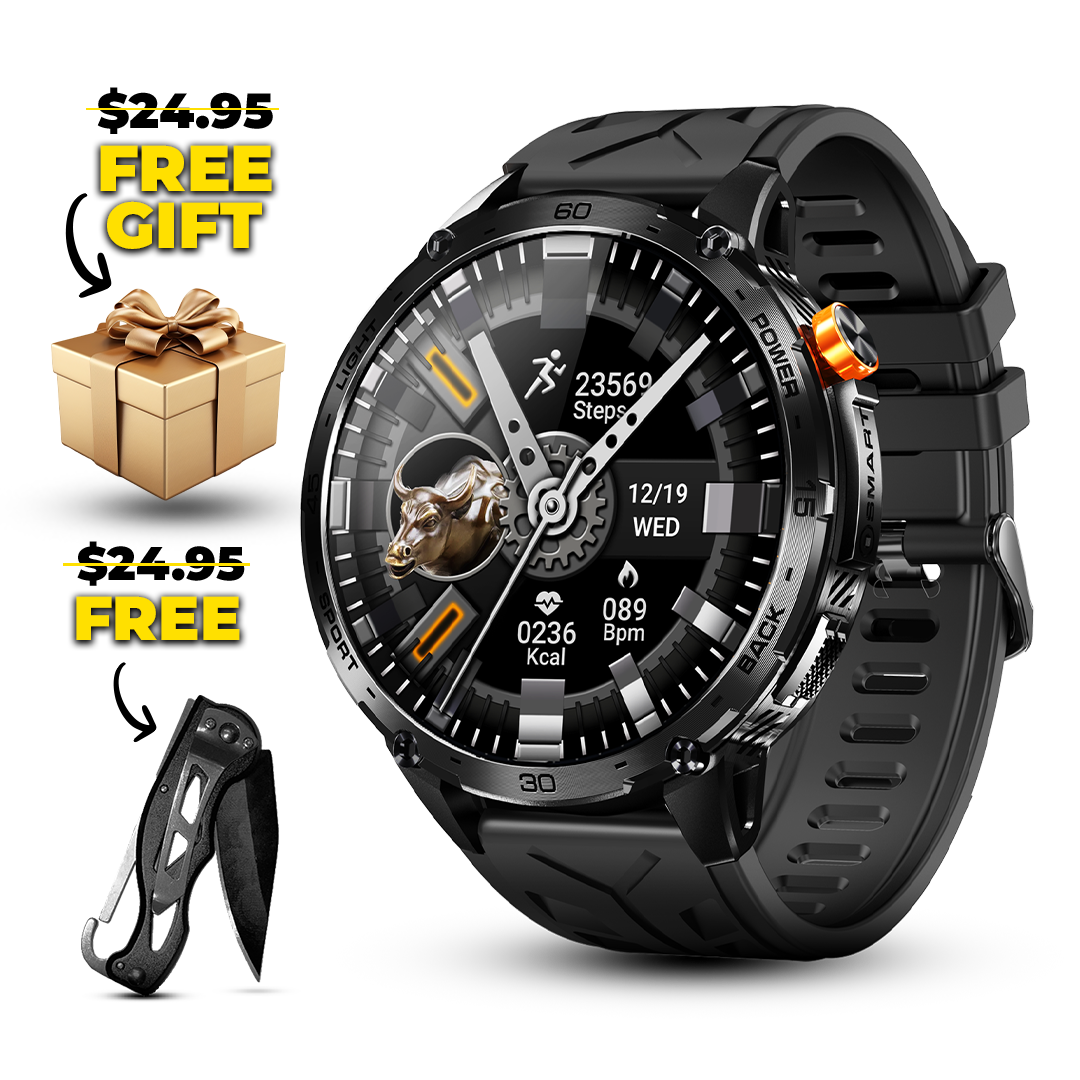
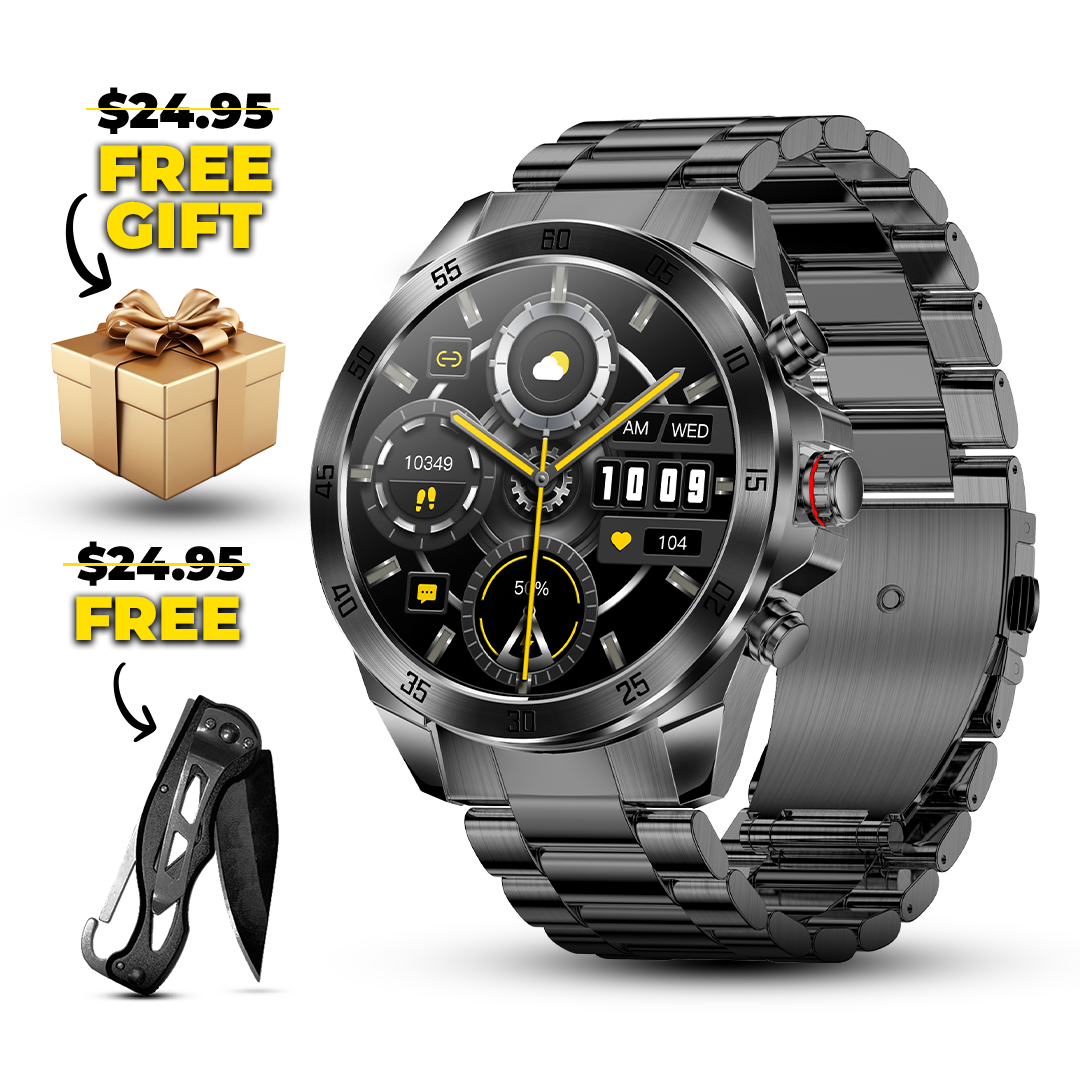
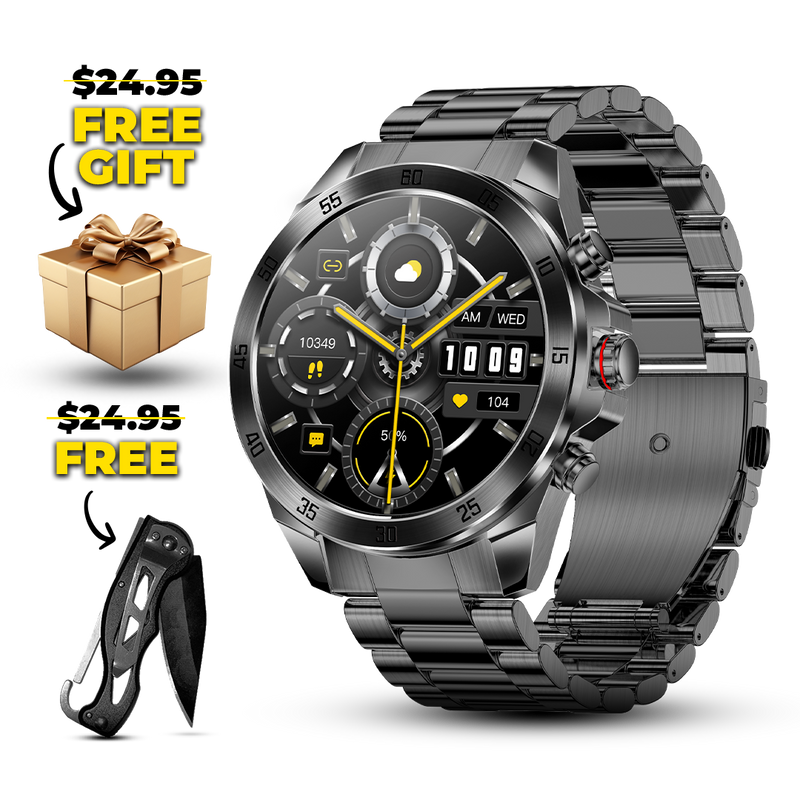
Every other watch on this list looks like equipment. That is the point of them, and it is also the problem the moment you walk into a restaurant. The Commander is the one built for the other half of the week: a full metal zinc alloy body with a stainless steel band in the box, 125 grams of it, so it reads as a watch rather than a gadget.
Underneath it is still built for the job. 1 ATM and IP68, a 1.43-inch AMOLED you can read outside, Bluetooth calling so you answer with your hands full, and wellness running in the background showing heart rate, blood oxygen, blood pressure and sleep. Six to eight days a charge, fifteen on standby.
Samsung's answer to the Apple Ultra, and the spec sheet is loud: a 1.52-inch sapphire-covered Super AMOLED that Samsung claims hits 5000 nits, a first for a smartwatch. It carries 10 ATM, IP69K dust and water, MIL-STD-810H certification and an EN13319 diving certification, on an 800mAh cell good for around 60 hours with the screen always on.
The hard limit is the same one Apple has, just pointed the other way: it needs Android 13 or newer with Google services. There is no iPhone support at all.

Thirty-six days in smartwatch mode, ninety with solar, and 120 hours of multi-band GPS that stretches to 320 with sun. If you are out for a week and the nearest outlet is a day's walk away, nothing else here comes close. Titanium bezel, sapphire lens, and it undercuts the fenix by a few hundred dollars.
The display is the trade, and it is a real one: a transflective panel that needs the backlight the moment you step into shade or tree cover.

COROS built this for people who train in long blocks and hate charging. Around 40 days of daily use, 118 hours of continuous standard GPS and 43 hours on dual-frequency, behind a sapphire lens and a PVD titanium bezel. It is rated 10 ATM and operates from −22°F to 122°F.
Two consistent complaints: the screen is dull and there is no brightness adjustment, and the charger is proprietary, so losing the cable is a real problem.

Suunto's pitch is the maps. Thirty-two gigabytes of offline mapping included free, behind a 1.5-inch LTPO AMOLED that reaches 2000 nits, with dual-band GNSS across five satellite systems. Twenty days of daily use with heart rate on, thirty with it off, and 65 hours of full training GPS. Sapphire glass over a steel or grade 5 titanium bezel, rated to 100 metres.
It is missing two things people expect at this price: there is no offline music storage and no tap-to-pay wallet.

If you are buying anyway, this is the version to buy. Same watch, everything else thrown in.

Four things worth checking before you spend anything.
“Waterproof” means nothing on its own. 1 ATM survives rain and washing your hands. 3 ATM handles a soaking. 10 ATM is swimming territory, and only a few watches here carry a separate dive certification on top. Match the number to what you actually do, and ignore the adjective.
Every maker quotes a different mode. Some quote smartwatch use, some quote it with the screen dimmed, some quote it with the sun out. The honest comparison is normal daily use with the features on, which is what every figure in the table above is. A watch that needs charging nightly is one you will stop wearing.
GPS is the single biggest thing separating a $130 watch from a $700 one. If you navigate off-trail or track routes, pay for it, and look for multi-band or dual-frequency so it holds a fix under cover. If you drive to the job and back, you are paying for something you will never open.
This is the part nobody reads. Most of this list carries a one-year limited warranty, and after that a cracked watch is your problem. Compare that against what the brand does in year three, because a rugged watch is bought precisely because it is going to get hit.
If you are outside and dirty and want one watch that does everything without a monthly bill, the Delta Series 2. If you want a watch that handles the job and still looks right at dinner, the Commander. If you have a thousand dollars and you navigate for a living, the fenix 8 is the machine.
Everything of ours on this page ships from Florida, comes with 30 days to change your mind, and carries a lifetime warranty rather than a twelve-month one.
See All AlphaGear Watches →© 2026 AlphaGear. All Rights Reserved.
Competitor specifications were taken from each manufacturer's own published material or a major review publication and were checked on 29 September 2026. Prices change. Brand names and product names belong to their respective owners and are used here for comparison only.